
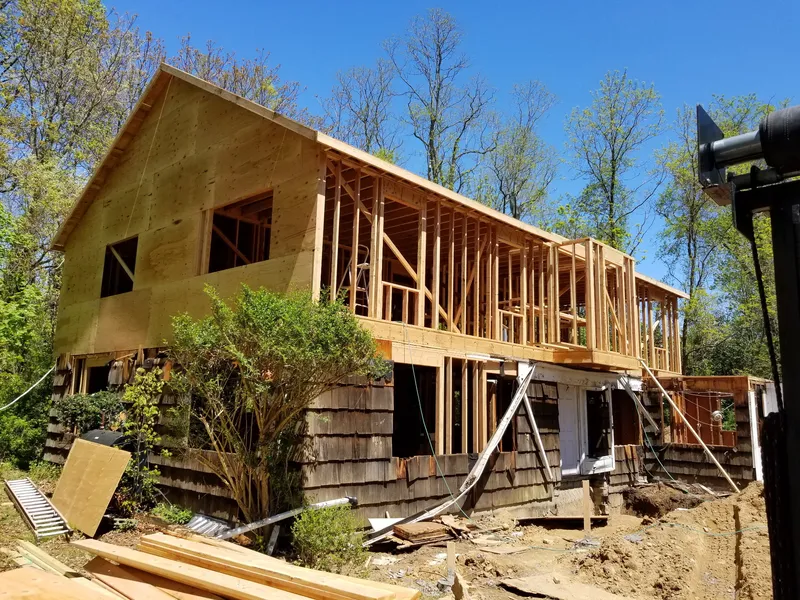
Your contractor choice affects more than the finished look
When you are planning a remodel in Ronkonkoma, the contractor you choose becomes responsible for far more than tools and materials. That person or company affects your schedule, your home safety, your permit path, your budget control, and the durability of the finished work. A licensed contractor gives you a clearer way to evaluate accountability before anyone opens a wall, removes flooring, installs siding, or starts building a deck.
Home renovations involve many hidden details. A bathroom may require coordination of plumbing, ventilation planning, waterproofing, and tile layout. A kitchen can involve electrical placement, cabinet fit, flooring transitions, and appliance clearances. A basement finishing project may require careful attention to moisture, access, lighting, and safe egress. Licensing does not replace careful review, but it is one important filter that helps homeowners separate a serious remodeling professional from someone who may not be prepared for the responsibility.
Licensing is more than a formality
A contractor license indicates that the person or business has taken steps to operate in accordance with the rules that apply to the work they perform. Requirements can vary by location and project type, so homeowners should always ask which license applies to the proposed work and where it can be verified. A trustworthy contractor should be willing to provide that information clearly.
For a Long Island remodeling contractor, licensing also connects to practical field knowledge. Interior remodeling can involve framing, drywall, trim, flooring installation, window installation, door installation, and finish carpentry. Exterior remodeling can involve siding installation, siding replacement, deck construction, deck repair, and weather protection details. Each area has different risks. A contractor who treats licensing seriously is more likely to treat planning, documentation, and jobsite decisions seriously, too.
This matters most when the work affects structure, water management, electrical planning, or safe access. Poorly installed windows can lead to leaks. Improper door installation can cause drafts and alignment problems. A deck built without careful attention to fasteners, support, and attachment can become unsafe. A license is not a decoration. It is a signal that the contractor understands they are accountable for work performed inside and outside your home.
Insurance protects both the homeowner and the project
Licensing and insurance are different, and both deserve attention. Before hiring anyone for home remodeling, ask for proof of current liability insurance. If the contractor uses employees or trade partners, ask how worker coverage is handled. Do not rely on a verbal answer alone. A responsible contractor should be able to explain what coverage applies and provide documentation through the proper channel.
Insurance matters because remodeling sites are active work areas. Materials are delivered, dust is created, ladders are used, and existing finishes can be exposed. Even a careful crew needs protection in place. If something is damaged or someone is injured, you do not want to discover after the fact that coverage was unclear.
This is especially important for full home renovation work, basement remodeling, and exterior remodeling where several parts of the property may be affected at once. A contractor who can explain site protection, debris handling, access, and insurance is giving you more than a sales pitch. They are showing how they manage risk.
Permits and inspections should be discussed early
Not every remodeling task requires the same paperwork, and permit requirements in different service areas can vary. That is why the right question is not simply whether a permit is needed. The better question is: for this exact scope, who will confirm permit requirements and who will be responsible for submitting the required information?
A licensed contractor should be comfortable discussing permits before work begins. If you are planning kitchen remodeling, bathroom renovations, basement finishing, window replacement, or structural changes, ask whether any portion of the work may need approval or inspection. If the answer is unclear, ask how the contractor will confirm the correct process.
Permits can feel inconvenient, but they exist to support safety and compliance. They also create a record that certain work was reviewed through the proper channels. Skipping that conversation may seem faster at first, but it can create stress later when selling a home, filing an insurance claim, or correcting a failed installation.
Written scope is where trust becomes practical
A license helps establish legitimacy, but the written scope establishes expectations. Before hiring a contractor, review what is included, what is excluded, and how changes will be handled. The proposal should be specific enough that you understand the work, materials, sequence, and responsibilities.
For example, a bathroom remodel should include demolition, wall repair, waterproofing, tile work, fixture installation, ventilation considerations, and finish details. A siding project should identify whether the work involves vinyl siding installation, fiber cement siding, composite siding, trim, flashing, or the replacement of damaged substrate if discovered. A deck project should distinguish between repair and new construction, since the planning and risk profiles are different.
A clear scope helps prevent misunderstandings. It also helps you compare contractors fairly. If one proposal includes preparation, disposal, finish details, and cleanup, while another only lists a broad project title, those two estimates may not represent the same work.
Local experience helps with real remodeling decisions
A contractor who regularly works in Suffolk County and Nassau County should understand that homes differ widely in age, layout, previous repairs, and material conditions. That experience matters during the first walkthrough. A careful contractor will look for clues such as uneven floors, moisture stains, aging trim, poor ventilation, old openings, and previous patchwork.
This is where craftsmanship becomes more than appearance. Good remodeling requires judgment. When installing flooring, the subfloor may need attention before the final material goes down. During energy-efficient window replacement, the opening, insulation, flashing, and interior trim all affect the result. When replacing siding, the surface behind the siding matters as much as the product on the outside.
A licensed contractor who explains these details helps you make better decisions. They are not just asking what you want the space to look like. They are helping you understand what the home may need before the finished layer is installed.
Warning signs to take seriously
Homeowners should pause when a contractor avoids basic questions. You do not need to be an expert to notice when answers feel rushed or incomplete. Be cautious if a contractor cannot provide license information, avoids insurance documentation, pressures you to skip permits, refuses to put scope details in writing, or asks you to make major decisions without explaining the impact.
Also, be careful with vague promises. A phrase like we will take care of everything is not enough. Ask what everything includes. Ask who will be on site. Ask how dust, access, deliveries, and cleanup will be handled. Ask how unexpected damage will be documented before extra work is approved.
Good contractors do not need to make the process mysterious. They may not have all the answers in the first conversation, especially before seeing the home, but they should have a clear process for getting the right answers.
Questions to ask before you hire
Use the final meeting to confirm the details that protect your home and your confidence.
- What license applies to this type of remodeling work, and how can I verify it?
- Can you provide current insurance documentation before the project starts?
- Will this scope require permits or inspections, and who handles that process?
- What materials, preparation steps, and finish details are included in the written proposal?
- How are change orders handled if hidden conditions are found?
- Who will supervise the work and communicate schedule updates?
- How will the home be protected during demolition, installation, and cleanup?
The quality of the answers often tells you as much as the answers themselves. A professional should respond with patience, clarity, and respect for your home.
The right contractor makes the decision feel clearer
Choosing a licensed contractor is not about adding paperwork to your project. It is about reducing uncertainty. Remodeling brings enough decisions already, from layout and materials to timing and daily access. Licensing, insurance, permits, and a written scope give you a stronger foundation before the work begins.
Whether you are considering kitchen renovations, a bathroom remodel, basement remodeling, window and door upgrades, siding work, or a custom deck, the same principle applies. Hire the contractor who is willing to be clear before they ask for your commitment. That clarity is often the first sign of craftsmanship.
Take the Next Step
If you are planning a remodel and want clear answers before work begins, contact CCP Home Improvement to discuss your project, scope, and next steps with a practical, craftsmanship-focused team.
FAQ
Do I need a licensed contractor for a small remodel?
It is wise to ask for license information even on a smaller project. The level of oversight may vary by scope, but licensing helps you confirm that the contractor is operating responsibly and prepared to stand behind the work.
How can I verify a contractor license?
Ask the contractor for the exact license information that applies to your project, then ask where it can be verified. A trustworthy contractor should be willing to provide clear details before you sign an agreement.
Are permits always required for remodeling work?
No. Permit needs depend on the project type and location. The important step is to ask who will confirm the requirement for your specific scope and who will handle any required submission or inspection process.
Why does insurance matter if the contractor is licensed?
Licensing and insurance serve different purposes. Insurance helps address property damage or job-site injury concerns, while licensing relates to the contractor being authorized to perform certain work. Homeowners should ask for both.
What should be included in a remodeling proposal?
A good proposal should describe the scope, materials, preparation, exclusions, schedule expectations, cleanup, and change order process. The more specific it is, the easier it is to compare contractors fairly.
