
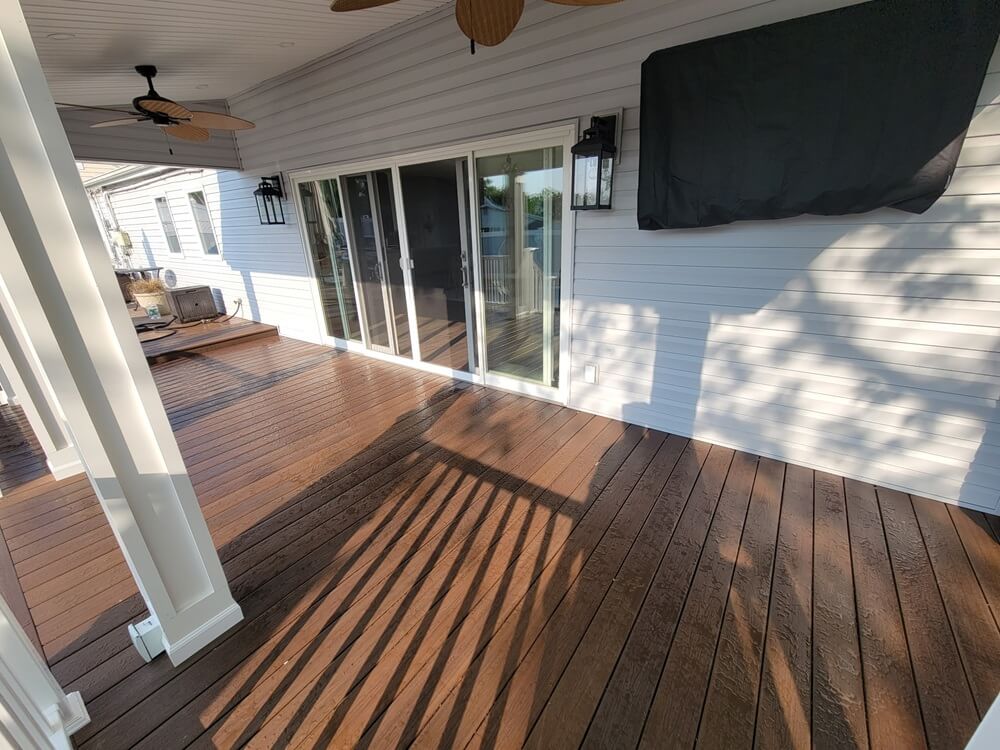
Suffolk County summers are made for outdoor meals, family gatherings, quiet mornings, and evenings that stretch long after sunset. The best deck design for a local home is one that fits how you actually use your yard while standing up to Long Island’s sun, humidity, rain, and seasonal temperature changes. For many homeowners, that means a comfortable layout, durable exterior materials, safe stairs and railings, thoughtful shade, and enough room for grilling, dining, and relaxing without crowding the space.
A well-planned deck is not just a platform outside the back door. It is an extension of your home’s exterior. Before choosing boards, colors, or railing styles, it helps to think through traffic flow, furniture placement, yard access, privacy, and the amount of maintenance you want to take on each year.
Start With How You Use Summer Outdoor Space
The right deck design begins with daily habits. A homeowner who hosts weekend cookouts needs a different layout than someone who wants a peaceful spot for morning coffee. In Suffolk County, where warm weather can quickly turn a backyard into the main living area, the deck should be sized and shaped around real activities.
For dining, leave enough clear space around the table so chairs can pull out comfortably. For grilling, plan a location that keeps smoke and heat away from main seating areas while still making it easy to carry food in and out. If the deck connects to a pool, garden, or lawn, the walking path should feel natural rather than cutting through furniture.
Popular Deck Layouts for Local Homes
A single-level deck is often the most straightforward choice. It works well for homes with a simple rear entry and yards that are relatively level. This design can feel open and easy to furnish, especially when the goal is one large gathering zone.
A multi-level deck can make sense when the yard slopes or when you want separate activity areas. One level may hold the dining table, while another creates a lounge area or step-down connection to the yard. This layout can add visual interest, but it requires careful planning to ensure stairs do not disrupt the flow of people through the space.
A wrap style or side extension may help if the best sun exposure, privacy, or yard view is not directly behind the home. This can be especially useful on Long Island properties, where the lot’s shape affects where outdoor living feels most comfortable.
Choose Materials With Long Island Weather in Mind
Deck material choice affects appearance, comfort, maintenance, and long-term performance. Wood offers a natural look and can be a good fit for homeowners who like classic outdoor character. It does require ongoing care, including cleaning and finishing based on the material and exposure.
Composite decking is popular with homeowners who want lower maintenance. It resists many common concerns associated with moisture and regular outdoor use, although product quality, color, texture, and heat retention can vary. If a deck gets strong afternoon sun, ask to compare sample boards and discuss how different colors may feel underfoot.
Framing matters as much as the surface boards. A beautiful deck surface will not perform well if the structure below is not evaluated correctly. When planning a new deck or major repair, ask how the existing framing, ledger connection, footings, drainage, and ventilation will be reviewed.
Railings, Stairs, and Platforms That Improve Safety and Style
Railings are one of the most visible parts of a deck, so they should complement the home rather than feel like an afterthought. Traditional railings create a familiar look, while slimmer profiles can help preserve yard views. The best choice depends on the deck height, the home exterior, and how much visual openness you want.
Stairs should be placed where people naturally enter the yard. A wide stairway can make a deck feel more welcoming, while a smaller side stair may work for compact spaces. If the deck will be used by children, older family members, or frequent guests, comfortable step proportions and good lighting become especially important.
Platforms and landings can also improve function. A small landing near a grill, a transition area near a door, or a lower platform for chairs can make the deck easier to use during busy summer gatherings.
Add Shade, Privacy, and Comfort Without Overcrowding
Suffolk County summers can bring bright sun and humid afternoons, so shade planning is more than decoration. Pergolas, umbrellas, privacy screens, and roof extensions can help make a deck usable for more hours of the day. The key is to balance shade with airflow, especially during warm evenings.
Privacy matters too. Instead of closing off the entire deck, consider screening only the areas where seating or dining will happen. This keeps the outdoor space open while making it feel more comfortable. Built-in benches, planters, and partial screens can define zones without taking over the layout.
Lighting should be included early in the design conversation. Step lights, post cap lights, and soft perimeter lighting can improve safety and create a more inviting space after sunset. Ask how electrical needs should be coordinated before deck boards and railings are finalized.
Repair, Replace, or Redesign
Not every deck needs to be rebuilt from scratch. Some Suffolk County homeowners may need surface board replacement, railing updates, stair improvements, or targeted structural repair. Others may find that the existing layout no longer fits how they entertain or move through the yard.
A professional evaluation can help separate cosmetic concerns from structural issues. Useful questions include: Is the framing sound? Are the stairs secure? Is water draining properly? Can the current layout support the changes you want? Are local permit requirements or inspections part of the project scope? These questions help you compare options with more confidence.
A Better Summer Deck Starts With a Clear Plan
The best deck for a Suffolk County summer is durable, comfortable, and tailored to the way your household lives outdoors. Focus on layout first, then materials, railings, stairs, shade, lighting, and maintenance expectations. When each decision supports the next, the result is a deck that feels natural in July, practical in September, and ready for many seasons of outdoor use.
FAQ
What deck layout works best for summer entertaining?
A layout with separate zones for grilling, dining, and seating usually works best. The exact size and shape should depend on door locations, yard access, furniture, and how many people you typically host.
Is composite decking a good choice for Suffolk County homes?
Composite decking can be a strong option for homeowners who want lower maintenance. Ask to compare colors, textures, heat performance, and product options so you can choose a board that fits your sun exposure and style.
When should I repair a deck rather than replace it?
Repair may be appropriate when the framing and main structure are sound but boards, railings, or stairs need attention. If there are structural concerns, poor drainage, or a layout that no longer works, replacement or redesign may be a better option.
What should I ask before starting a deck project?
Ask how the structure will be evaluated, what material options fit your goals, how stairs and railings will be planned, whether local permit requirements may apply, and how drainage and ventilation will be handled.
How can I make a deck more comfortable in summer?
Plan for shade, airflow, lighting, and privacy. Umbrellas, pergolas, partial screens, and thoughtful furniture placement can help the deck stay comfortable during sunny days and warm evenings.
Planning a new deck or wondering whether your current one can be improved?
Contact CCP Home Improvement to discuss deck design, repair, and outdoor living options for your Suffolk County home.
